


The Firsts of İstanbul
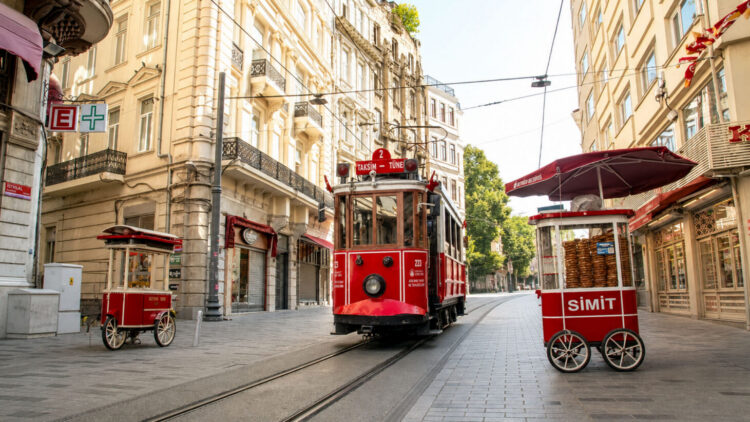
İstanbul played host to different civilizations, cultures, and innovations throughout the centuries. One of the elements that made the city unique was its ability to interpret every new culture it encountered within its own fabric and quickly adapt to changing lifestyles. Many innovations that we view as ordinary parts of daily life today meant an introduction to the future for the people of İstanbul in the past. Beyoğlu and its surroundings were among the places where this transformation was felt most clearly. As one of the important centers of the economic, diplomatic, and cultural relations established by the Ottoman Empire with the Western world, the region became the place where innovations in many fields—from architecture to transportation, accommodation to entertainment—gained visibility in İstanbul.
So, why did Beyoğlu, considered one of the Ottoman Empire’s gateways to the West, hold such an important place in İstanbul’s modernization process?
The First Stop in Step-by-Step Modernization
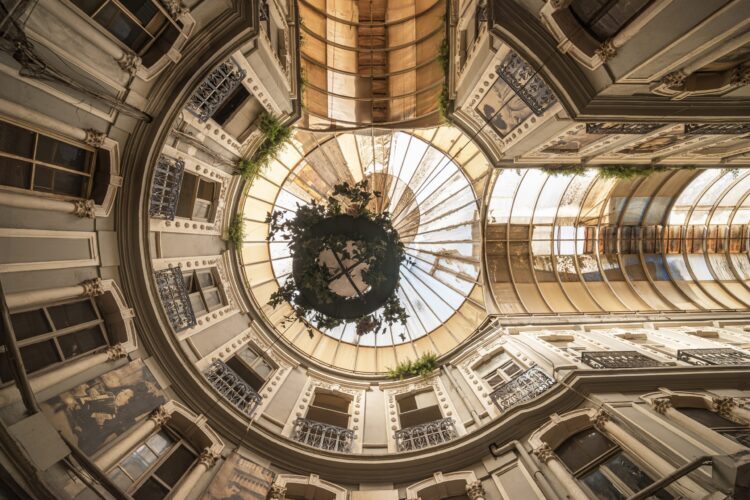
The late 19th century was a period when modern life began transforming daily habits in many cities around the world. Industrialization, new means of transportation, the use of electricity, multi-story buildings, and an evolving concept of hospitality were rapidly altering the appearance of cities. This transformation in Europe also influenced İstanbul, with the first examples of new lifestyles beginning to emerge particularly around Beyoğlu.
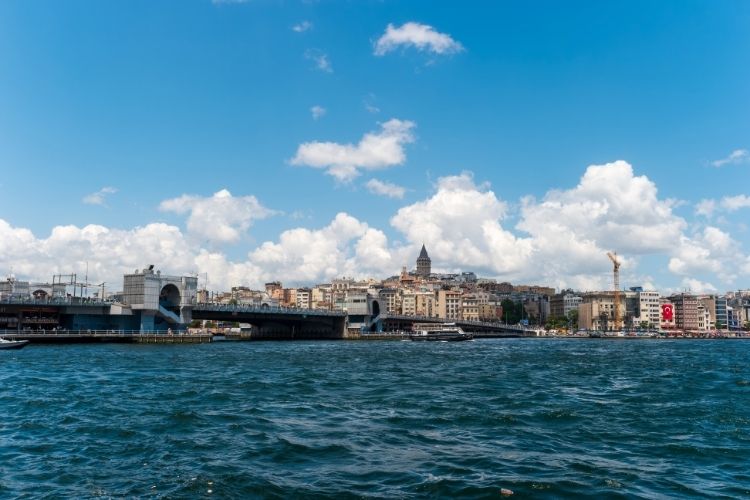
Known today for its lively avenues, historical arcades, colorful streets, and striking architecture, Beyoğlu was also one of İstanbul’s most innovative districts nearly 130 years ago. Embassies, foreign companies, boutiques, theaters, hotels, and entertainment venues reinforced the cosmopolitan fabric of the region. People from different countries gathered here, and new habits developing in Europe were swiftly carried into İstanbul’s urban life.
With electricity beginning to be utilized in İstanbul, some of the first notable applications were seen in the structures of Beyoğlu. During the same years, the modern hotel concept spreading across European cities yielded its first successful examples in İstanbul in this very region. Beyond meeting the need for accommodation, these hotels became symbols of changing city life and new consumption habits.
Electric elevators, which we regard as ordinary means of transportation today, were a major curiosity in themselves for the people of İstanbul at that time. Moving between floors in a multi-story building without climbing stairs was an unfamiliar novelty. Buildings featuring this innovation attracted great attention. People came to Beyoğlu to see new technologies, examine modern architecture, and gain insight into how the urban life of the future might be shaped.
The Social Heart of İstanbul Beat in Beyoğlu

The change in İstanbul was not limited to technology and architecture. The modernization process also transformed the ways people entertained themselves, gathered, and socialized. Receptions, galas, concerts, theatrical performances, and special celebrations gradually became essential parts of Beyoğlu’s daily life.
Events organized in the grand ballrooms of hotels and select entertainment venues in the area brought a distinct dynamism to İstanbul’s social life. The hosting of New Year’s Eve balls here indicated that celebration habits in the city were beginning to shift. Western-style music, dance, and reception culture became familiar to wider circles thanks to Beyoğlu’s multicultural environment.
In those years, Beyoğlu evenings came vibrant and alive with the lights of theaters, restaurants, hotels, and music halls. Crowds strolling the avenues, theatergoers, and guests attending galas sustained the district’s lively energy throughout the night.
Home to people from diverse cultures living together, Beyoğlu set a new direction for İstanbul’s social habits. Types of celebrations diversified, elegant galas were held, and events attended by varied communities became widespread.
The Moment Turkish Cuisine Met World Flavors
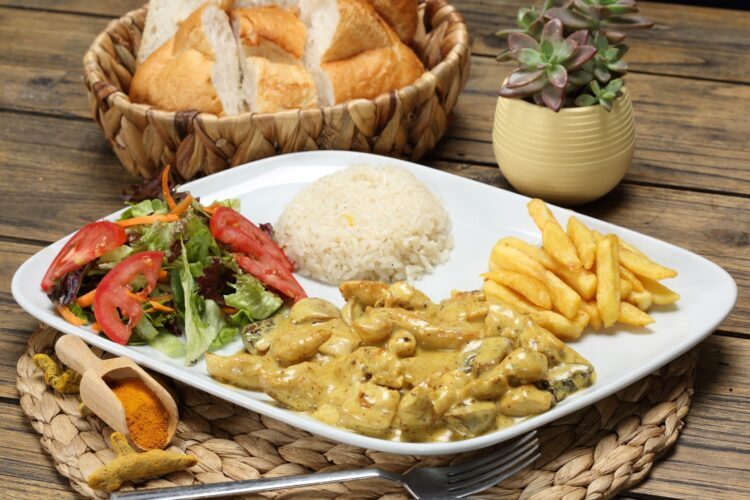
Although culinary culture in İstanbul was shaped by Ottoman culinary traditions for centuries, as the city grew increasingly cosmopolitan, Turkish cuisine began accommodating different flavors. Toward the end of the 19th century, one of the outcomes of interacting with diverse cultures was the arrival of recipes, cooking techniques, and spices from world cuisine in İstanbul.
Curry, a delicious spice frequently preferred in our kitchens today, was one such flavor. Highly novel for Turkish cuisine, this spice gradually found its place in our kitchens as cooks in İstanbul began incorporating it into their dishes.
The Stop Bringing Together the Firsts of İstanbul: Pera Palace Hotel
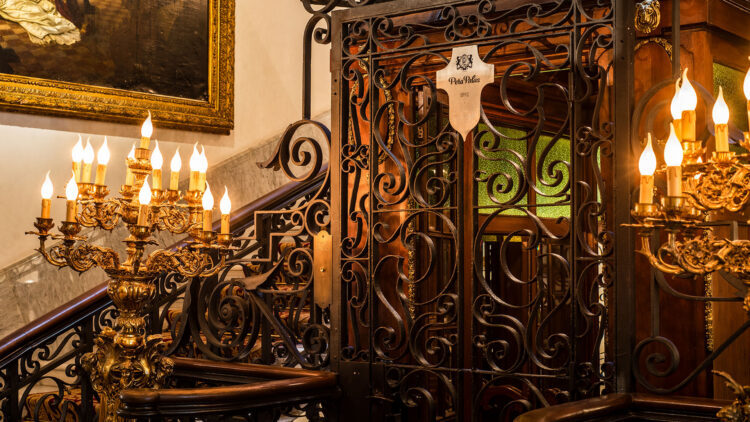
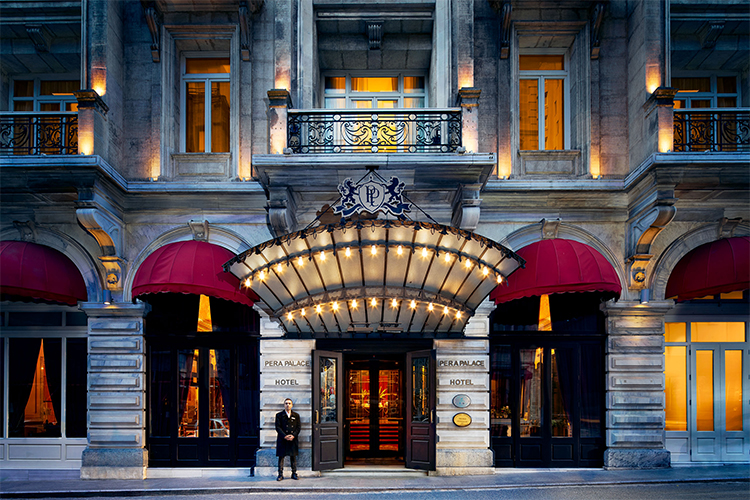
When telling İstanbul’s story of modernization, certain structures must be evaluated in a class of their own. Because many innovations of the era met city life within the halls, rooms, and corridors of these very buildings. Pera Palace Hotel, which holds a special place in the memory of İstanbul, stands at the forefront of these destinations.
Constructed in the late 19th century, the hotel drew attention as one of the first buildings in İstanbul to use electricity and for housing one of the period’s first electric elevators. With its striking architecture, magnificent ballrooms, and high-quality service philosophy, it became a powerful representative of modern hospitality culture in the city.
The importance of Pera Palace Hotel was not limited to technical innovations alone. The balls, receptions, dinners, and celebrations hosted at the hotel bore the traces of the transformation in İstanbul’s social life. This environment, where guests from different countries mingled with the local elite, made Beyoğlu’s cosmopolitan identity even more visible. Thus, going beyond its function of accommodation, the hotel became one of the cultural and social meeting points of the era.
When you visit Pera Palace Hotel today, in addition to viewing an impressive architectural structure, you step into a historical venue that witnessed İstanbul’s modernization process. Its corridors, staircases, ballrooms, and elevator carry traces that have reached the present day from the years when the city first met innovation.
If you wish to discover İstanbul not only through its sights but also through the stories behind them, you can visit Pera Palace Hotel. An exceptional address to experience a unique stay or taste the chefs’ irresistible desserts and dishes!