

In the Footsteps of October 29: A Journey into the Memory of the Republic
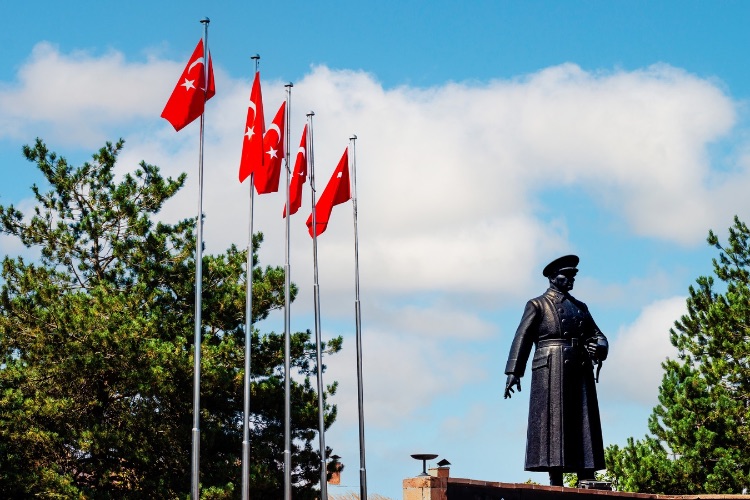
Is it possible to capture the grand story of the Republic solely through the events of October 29, 1923? The true continuation of this inspiring narrative lies hidden within the evolving cities and changing rhythms of daily life shaped over the decades. In this article, following the footsteps of October 29, we look at the profound transformation extending from the founding of the Republic to the present day through the lens of urban memory.
The First Pages of Türkiye’s New and Luminous Story
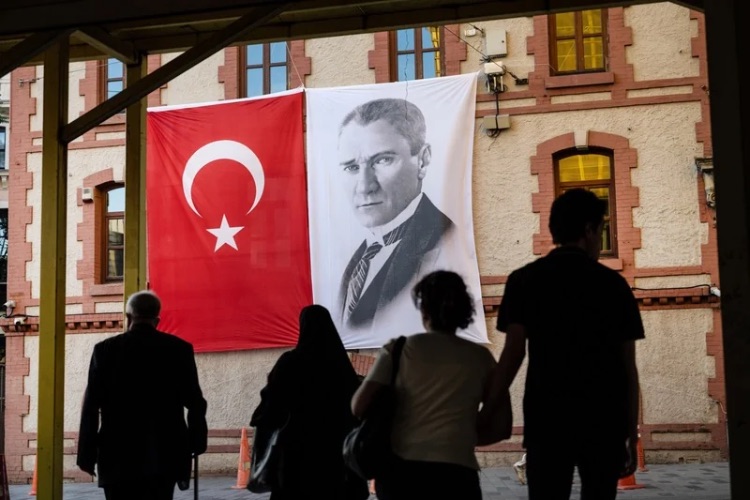
The proclamation of the Republic marked the dawn of a new era wherein Türkiye would determine its own destiny through its own sovereign will. By 1923, the war had legally drawn to a close. A new state had been established, bringing forth a vital question: How would the beloved Turkish nation live from this moment onward?
The overarching vision of the transformation led by Mustafa Kemal Atatürk extended far beyond erecting a new form of governance. It sought to lay the groundwork for a society composed of educated, productive citizens who were conscious of their rights and held a voice in their nation’s future. This idealistic perspective illuminates why the reforms of the early Republican years encompassed such diverse spheres.
The restructuring of educational institutions, legal and social reforms strengthening the place of women in society, the Alphabet Reform, and pioneering strides across culture and the arts…
Today, these milestones are such an integral, natural part of our lives that it can be easy to lose sight of how comprehensive a transformation they represented when they first unfolded. Yet, the Republic meticulously built a new order across every domain—from the inner workings of parliament and state institutions to education, law, cultural endeavors, and everyday social habits.
Traces of the Republic in the Memory of Cities
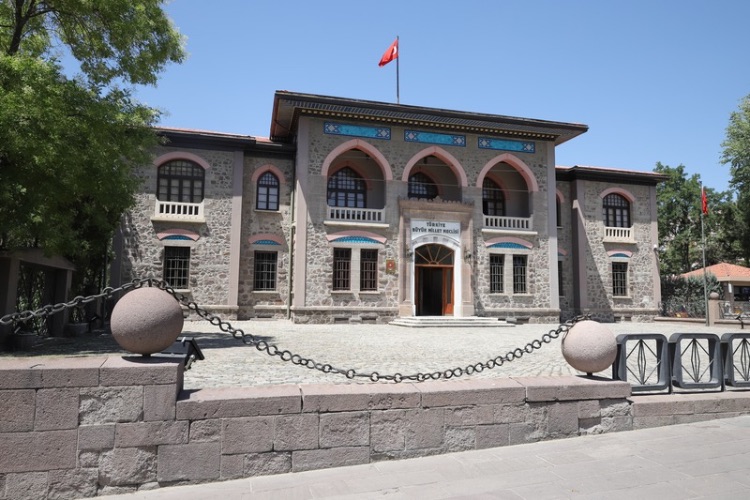
The profound shift brought forth by the Republic steadily carved its presence into the very fabric of cities day by day. Numerous developments—from the planned expansion of the new capital, Ankara, to the public and cultural life of İstanbul—served as both witnesses and carriers of this new age. Today, various landmarks we encounter across different cities offer a closer glimpse into different facets of post-Republican evolution:
Architectural Heritage of the Early Republic: The Second Grand National Assembly building, the General Staff Headquarters, Ankara Palas, and early Republican ministry structures reflect diverse expressions of this transformation. Stretching from Ulus to Çankaya, each of these landmarks played a key role in Ankara’s swift evolution into a modern capital. The building housing the Türkiye İş Bankası Museum of Economic Independence today stands as another striking testament to the period’s economic and institutional foundation.
Railway Stations Connecting the Nation: In the initial years of the Republic, railways were viewed not merely as an infrastructure investment, but as crucial instruments for the economic and social cohesion of the new state. Landmarks such as the Kayseri, Ankara, Sivas, and Erzurum train stations carried the footprint of the railway network thousands of kilometers across Anatolia.
Destinations of Education and Culture: The Republic’s educational and cultural policies prompted the emergence of landmark institutions within cities. Among these was the Faculty of Language and History-Geography building in Ankara. Museums, libraries, and theaters similarly reflected the paramount importance placed on cultural life within urban society.
Memory Stops of Evolving Urban Life: Evolving work and social habits following the Republic were vividly reflected in city architecture. Apartment buildings, arcades, historic bazaars, and hotels rising particularly in Ankara and İstanbul became increasingly prominent elements of modern urban life. Squares, boulevards, and public parks likewise flourished across cities as essential components of planned urban growth.
A Landmark Witnessing the Foundation of the Republic: Pera Palace Hotel
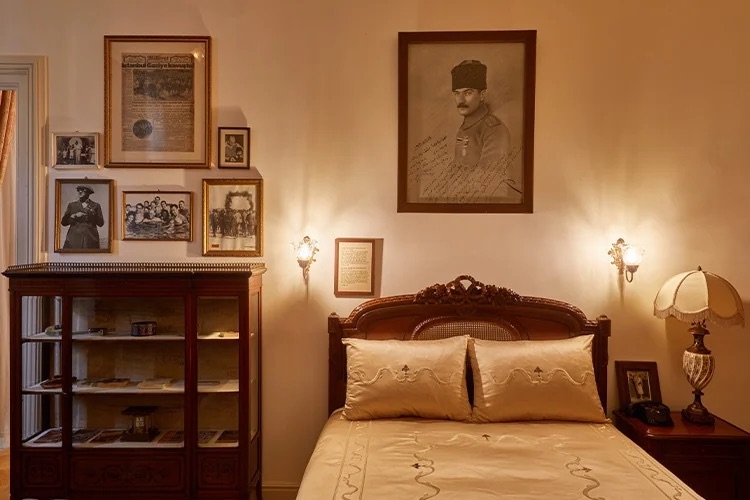
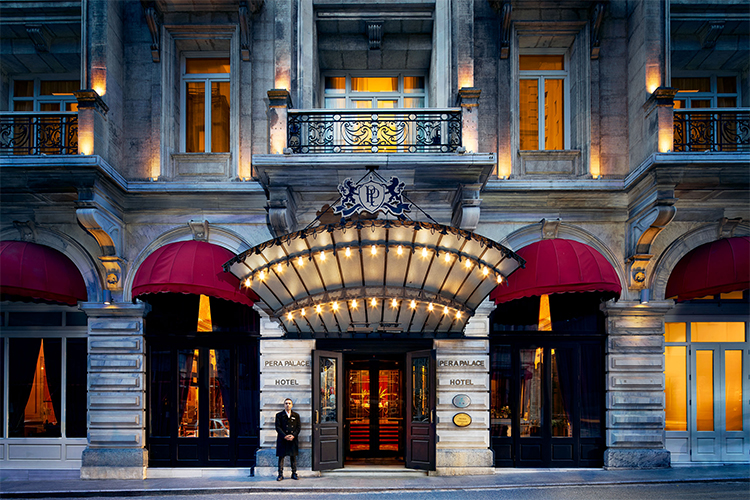
The heritage of Pera Palace Hotel, one of İstanbul’s most iconic historic structures, begins long before the founding of the Republic. Opening its doors with a grand inaugural ball in 1895, the hotel stood witness to pivotal political, cultural, and social developments in İstanbul from the late Ottoman era up to the proclamation of the Republic.
One of the most extraordinary elements of Pera Palace Hotel is its deep, enduring bond with Mustafa Kemal Atatürk. The founder of the Republic of Türkiye frequently stayed at Pera Palace Hotel upon returning to İstanbul from the front lines after 1917.
Today, this space endures as a museum room, bearing the living memory of Atatürk and carefully preserving the spirit of a historic era. Converted into a museum on the 100th anniversary of his birth, Room 101 displays Atatürk’s personal belongings, books, gifts presented to him, alongside original newspapers and periodicals from those historic years.
For those seeking to discover the true significance of October 29 Republic Day within İstanbul’s historic fabric, Room 101 offers an incomparable experience to closely trace the journey leading to the Republic. This collection, extending from Atatürk’s personal items to period publications, invites visitors not merely into a hotel room, but onto a captivating journey into a crucial chapter of Republican history.
Museum visits are subject to limited capacity. Prior to your visit, you may contact us at +90 (0212) 377 40 00 for detailed information and assistance.