




March 8 represents far more than a mere date marked on the calendar. It has become an enduring symbol of the struggle that is initiated by women for equality, personal freedom, and collective solidarity. This struggle is not confined to a particular historical period or geographic region. Over the decades, the endeavor of women to assert their presence in professional life, education, politics, and social spheres has evolved into a global movement advocating for fundamental rights. Today, women across the world unite their voices to form a collective expression of empowerment. Women aspire not merely to inhabit roles traditionally assigned to them; they strive to exist authentically as writers, scientists, artists, or educators, asserting their identities on their own terms.
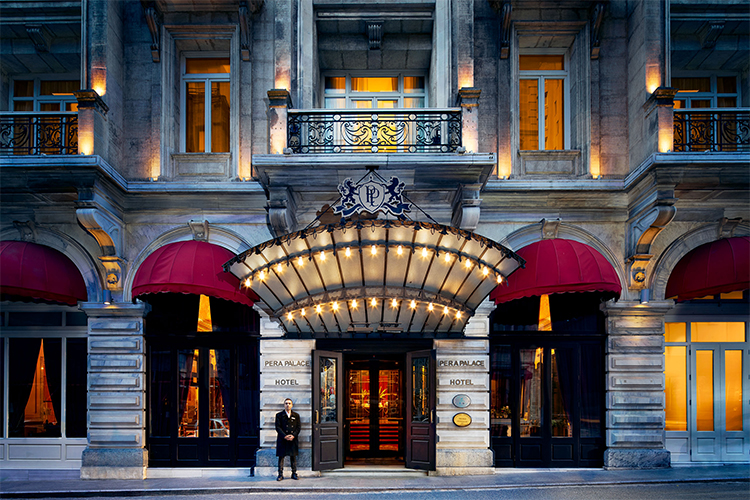
Let us take a closer look at the lives and achievements of formidable women whose courage, and accomplishments have left a lasting mark, particularly those who frequented Pera Palace, one of the early venues where women became visibly present in social life.
Agatha Christie
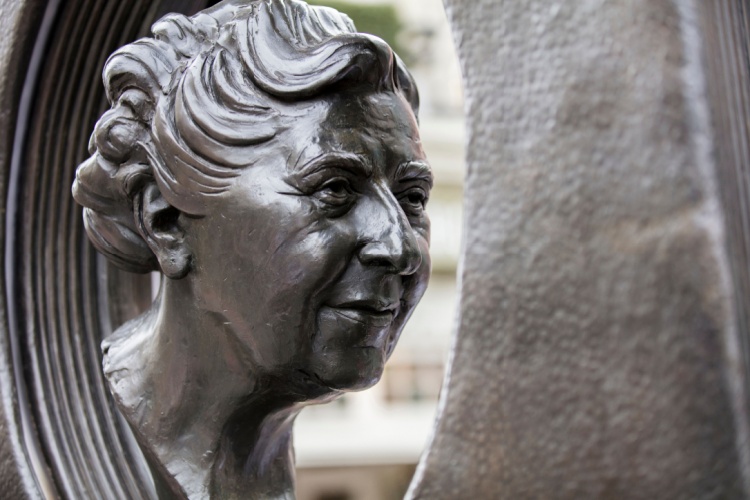
Born in 1890 as Agatha Mary Clarissa Miller, Christie became an iconic figure in the realm of detective fiction. She discovered her passion for writing at an early age, receiving unwavering encouragement primarily from her mother. Despite facing repeated rejections from numerous publishing houses, Christie remained resolute, ultimately publishing her first novel, The Mysterious Affair at Styles, in 1920, marking her entrance into the literary world.
A unique bond existed between Christie and Pera Palace, where she stayed on multiple occasions. It was within Room 411 of the hotel that she authored the renowned Murder on the Orient Express. In 1926, Christie famously disappeared for 11 enigmatic days, an episode that remains one of the most mysterious incidents in literary history. After days of intense searching, Christie reappeared, yet she offered no explanation for her disappearance. It is said that the details of this silence remain a secret, carefully preserved within the walls of Room 411.
Over the course of her prolific career, Christie authored approximately 75 novels and numerous short stories, leaving an indelible legacy. She refused to conform to the narrowly defined expectations for women of her era, emerging as a powerful literary voice. Although her first novel was rejected repeatedly, she refused to surrender her aspiration, and through her unwavering perseverance she illuminated the path for the writers who followed after her. With this stance and the authority of her powerful pen, she also succeeded in unlocking certain invisible doors that had long remained closed to others.
Greta Garbo
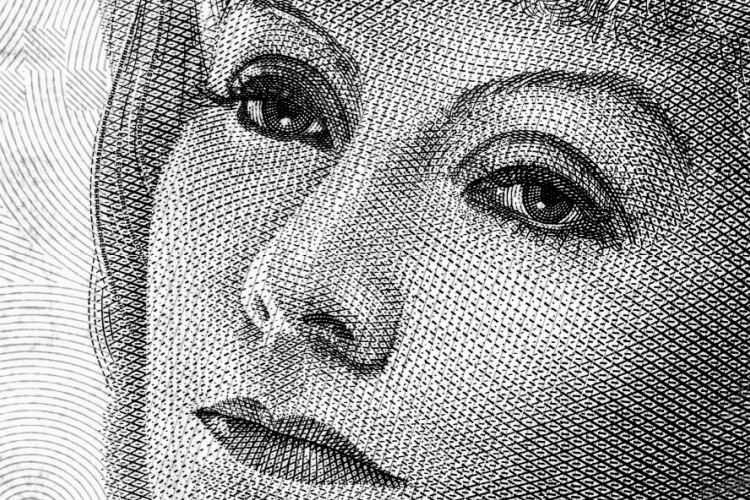
Greta Garbo stands as one of the most compelling faces of the silent cinema era. Compelled to leave school because of financial adversity, she encountered film director Mauritz Stiller in 1924, the visionary who bestowed upon her the name Garbo.Through Stiller’s mentorship and encouragement, she stepped before the camera. The Legend of Gösta Berling became the film through which she was discovered, marking the true beginning of her distinguished acting career.
In that same year, she reached an agreement with that same director for a production titled Bir İstanbul Hikâyesi (A Story of İstanbul). When she traveled to İstanbul for filming, her path intersected with Pera Palace Hotel, where she resided for 50 days. During her stay, she had a chance to learn a lot about İstanbul. However, when the production was ultimately canceled, she returned to her homeland.
Greta Garbo confronted numerous adversities throughout her lifetime despite being a reserved individual. However, she never gave up on the profession that she cherished. She generated transformation within both silent and sound cinema and received four Academy Award nominations. Her accomplishments, and her ability to establish herself within a competitive industry, became a powerful source of encouragement for future generations of actresses.
Josephine Baker
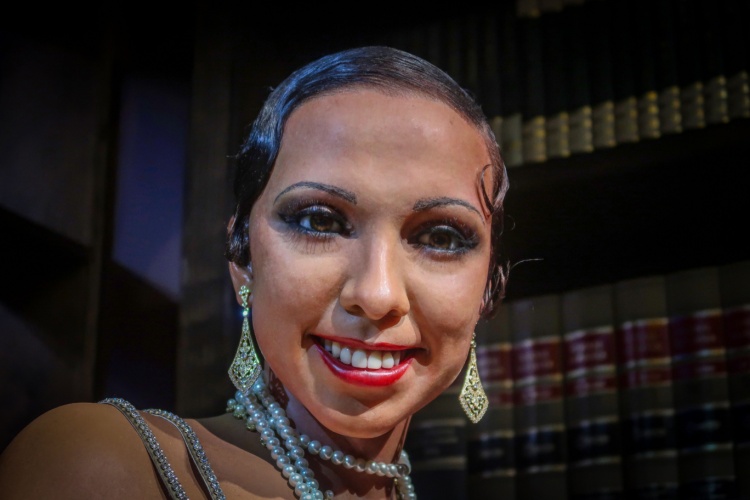
Civil rights advocate, dancer, and actress, Josephine Baker cannot be confined to a single definition. Born in 1906 in Missouri in the United States, she joined the vibrant and theatrical production Chocolate Dandies in 1924. Over time, she constructed a distinctive artistic identity through her energetic Charleston performances and her unconventional costumes.
When she arrived in İstanbul in 1934 to appear on stage, she stayed at Pera Palace Hotel. Wherever she traveled, she left a memorable impression not only through her joyous stage presence but also through her stance. Throughout her life, she confronted racism with courage and moral conviction. Transforming from a joyful young girl into a determined figure of resistance, she persevered despite exclusion that was directed at her because of her skin color and artistic expression.
Through her passionate performances and activism, she dismantled entrenched prejudices and earned international admiration. Her decision to adopt twelve children from diverse ethnic backgrounds and create a multicultural family became one of the most powerful manifestations of her resistance against racial injustice.
Jacqueline Kennedy
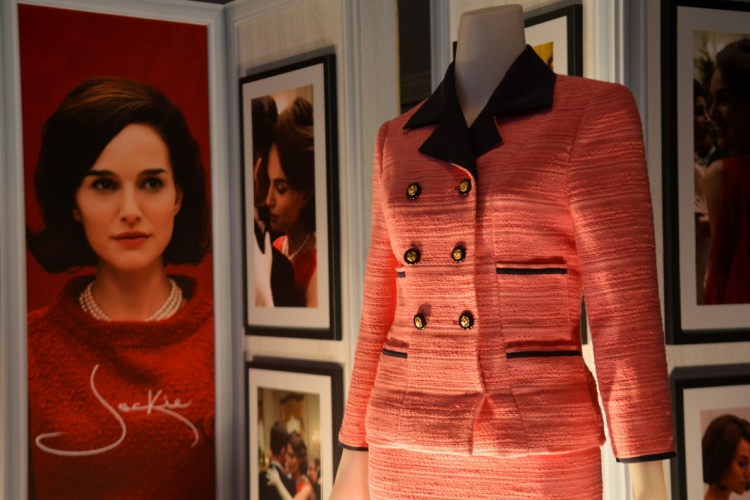
Born as Jacqueline Lee Bouvier in New York in 1929, she entered public life after university by contributing articles and photographs to a newspaper column. She reported on significant historical occasions such as the inauguration of Dwight D. Eisenhower and the coronation of Elizabeth II. Although she assumed the title of First Lady after marrying John F. Kennedy, she was remembered not solely as a presidential spouse but also for her individual accomplishments.
Through her initiatives in art and cultural preservation, she contributed meaningfully to the safeguarding of historical heritage. After the tragic loss of her husband, the composure and resilience she demonstrated, alongside her decision to continue her professional pursuits, established her as one of the most dignified public figures of modern history. In this way, she became a profound source of inspiration for many.
During her visits to İstanbul, she stayed in room 611 at Pera Palace Hotel. Today, the room that bears her name preserves the memory of a woman whose presence left a lasting imprint upon cultural consciousness.
Mata Hari
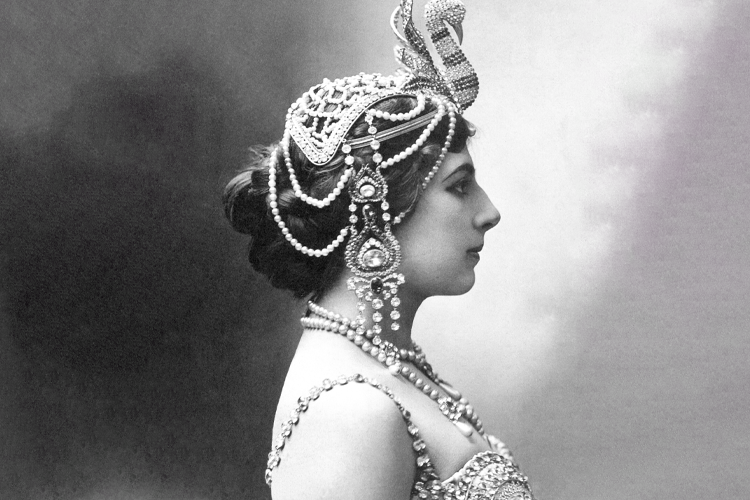
Born as Margaretha Geertruida Zelle in 1876 in a small northern town in the Netherlands, Mata Hari grew up under the shadow of economic hardship and developed a determination to secure her own financial independence. She relocated to Paris, where she achieved recognition for her distinctive interpretation of Hindu inspired dance. Her reputation soon extended beyond Paris to other major European cities.
In later years, she faced accusations of espionage and was arrested in Paris. Shortly before her death in 1917, her path intersected with the Pera Palace Hotel. Today, a suite within the hotel bears her name and displays photographs that commemorate her presence.
Through her strong stance and determination, Mata Hari was able to break established molds and rigid conventions. With her free spirit, she became a name that inspires women. With her courage, she succeeded in writing her own logbook and discovering her own color, and she continues to preserve her place in history as a woman who defined her own path.

