


Understanding August 30 Victory Day: A Legacy Extending from History to the Present
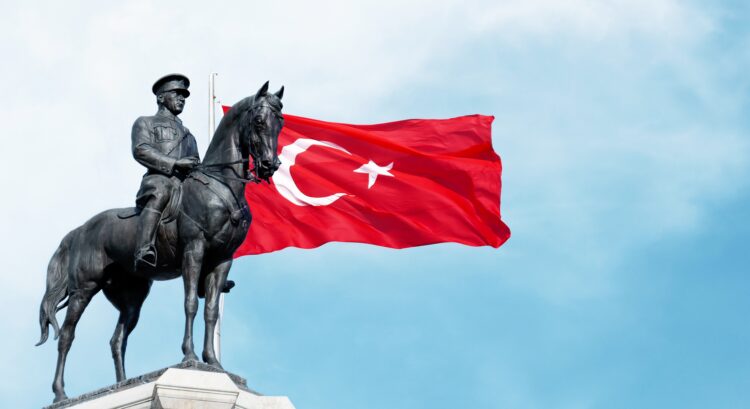
Established following a grand National Struggle, the Republic of Türkiye possesses a deep-rooted history bearing the traces of immense sacrifices made on the path to independence. One of the turning points of this history that holds the strongest place in our collective memory is August 30 Victory Day.
Determining the military outcome of the National Struggle, the Victory of August 30 continues to preserve its significance today as the symbol of the will for independence and sovereignty. Let’s recall together the process leading up to the Great Offensive and the place of August 30 in our history.
The Path to the Great Victory
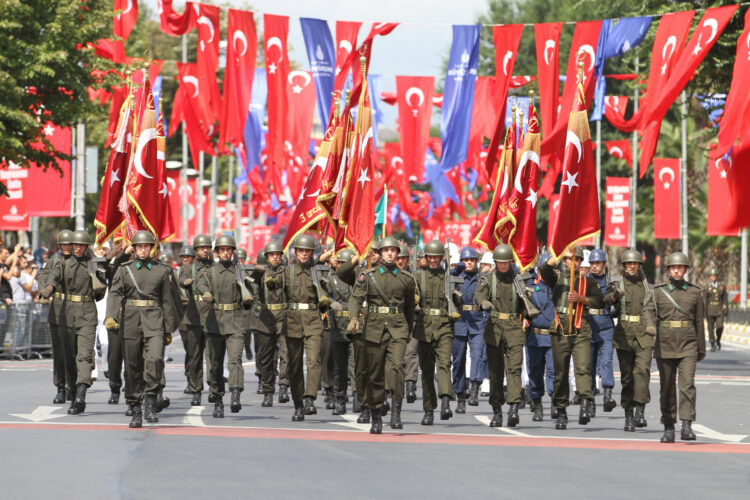
Although significant military achievements were attained throughout the National Struggle, the Great Offensive that began on August 26, 1922, became one of the most critical operations determining the outcome of the war. Carried out after a lengthy and secretive preparation process, the operation reached a decisive conclusion with the Battle of the Commander-in-Chief on August 30. The victory achieved under the command of Mustafa Kemal Pasha demonstrated the military strength of the Turkish army while becoming a powerful expression of the determination for independence and sovereignty.
The offensive plan relied on concentrating the Turkish forces south of Afyonkarahisar and striking a blow from a point unexpected by the Greek defense. Following the operation that commenced on the morning of August 26, enemy lines began to be breached, and Afyonkarahisar was liberated on August 27. With the advance sustained in the following days, the retreat routes of the Greek forces were blocked, paving the way for the decisive battle on August 30.
The Day That Changed the Destiny of the Turkish Nation
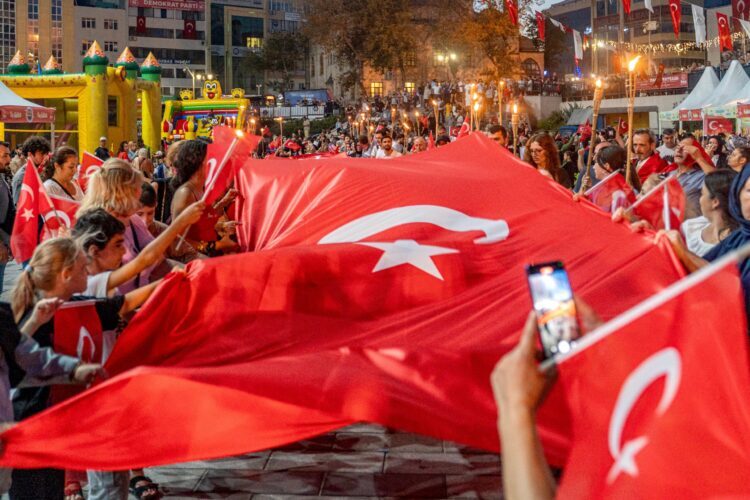
The decisive phase of the Great Offensive was the Battle of the Commander-in-Chief, which took place in the Dumlupınar region on August 30, 1922. In the battle commanded by Mustafa Kemal Pasha from Zafertepe, a significant portion of the Greek forces was encircled and neutralized. As the remaining units began retreating westward, the military power of the Greek army in Anatolia was largely broken.
In order to prevent the enemy from regrouping and to ensure their complete expulsion from Anatolia, Mustafa Kemal Pasha issued the historic command on September 1: “Armies! Your first target is the Mediterranean, forward!” Continuing the pursuit operation, the Turkish army reached İzmir on September 9 and Bursa on September 11. When the calendars showed September 18, the Greek military presence in Western Anatolia had come to an end.
The Victory of August 30 ensured that military superiority passed to the Grand National Assembly of Turkey (TBMM) Government, paving the way for the process leading to the Armistice of Mudanya. Thus, August 30 became one of the strongest symbols of Türkiye’s struggle for full independence and the path leading to the Republic.
The Meaning and Importance of Victory Day
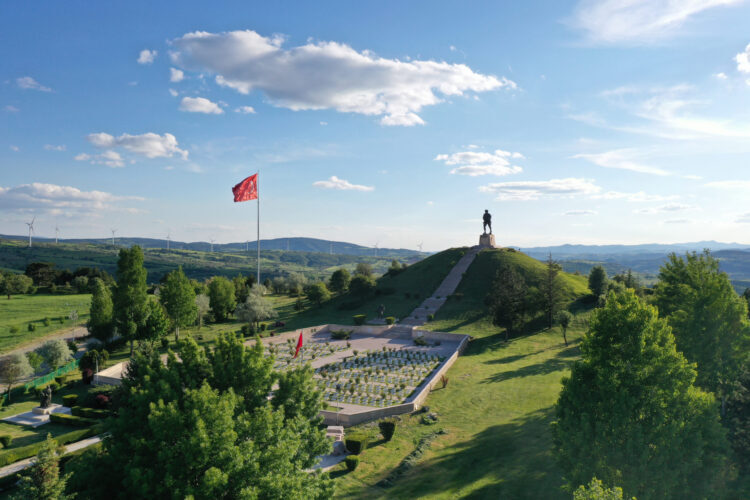
August 30 Victory Day is one of the most important national holidays reminding us that independence was won through great sacrifices and a collective struggle. Celebrated on the anniversary of the Battle of the Commander-in-Chief, this special day reinforces values such as unity, solidarity, freedom, and sovereignty in the collective memory of society.
Celebrated for the first time in 1924 in Afyon under the name “Commander-in-Chief Victory,” August 30 began to be celebrated officially as “Victory Day” in 1926. Today, this significant holiday continues to be kept alive with ceremonies, events, and commemoration programs held all across Türkiye. Thanks to parades in city centers, theatrical performances representing the National Struggle, and poetry recitals, the importance of the victory is emphasized once again.
A Venue Keeping History Alive: Atatürk’s Room at Pera Palace Hotel

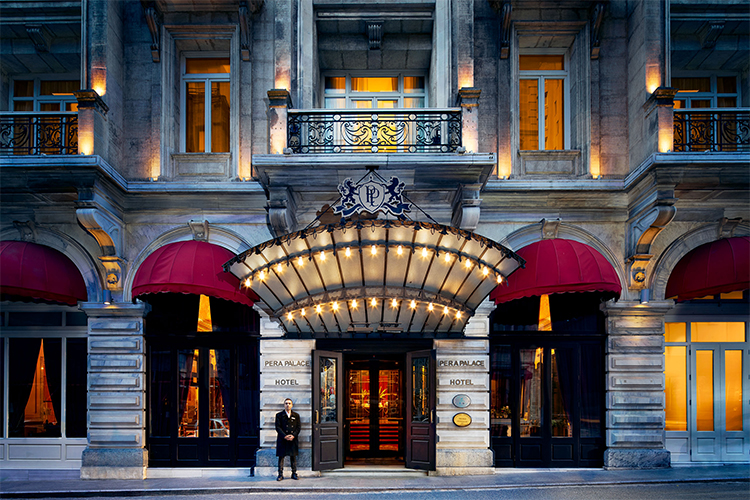
While reflecting on the meaning of August 30, historical venues bearing the traces of Mustafa Kemal Atatürk also gain distinct importance. Room 101 at Pera Palace Hotel, where Atatürk stayed during his visits to İstanbul, was converted into a museum room in 1981 and opened to visitors.
At the Atatürk Museum Room, various personal belongings of his are exhibited alongside books, gifts, period newspapers and magazines, and various historical items added to the collection later on. Reflecting the atmosphere of the era, the room offers an opportunity to take a closer look at Atatürk’s life and the founding process of the Republic. You can easily purchase your tickets for the Atatürk Museum Room, which can be visited every day between 10:00–11:00 and 15:00–16:00, via Passo.
Those wishing to trace the footprints of history in İstanbul can explore not only the Atatürk Museum Room but also Pera Palace Hotel’s unique architecture and century-exceeding history. This historical structure adds a distinct meaning to the İstanbul experience with its legacy extending from the past to the present. You too can visit this museum room and the hotel, embarking on a delightful journey through history.